Incoterms are routinely treated as a pricing convention — the same cargo quoted three ways, and the buyer picks the number they like. That reading is wrong in a way that surfaces at the worst possible moment. An Incoterm allocates three separate things: who pays for what, where risk of loss passes, and who is obliged to arrange each leg. A party can be perfectly willing to pay for a service they are entirely unable to arrange.
Where risk passes is not where cost stops
Under CFR and CIF the seller pays the ocean freight, but risk passes when the goods are on board at the load port. A buyer under CFR who sees “freight included” and assumes the seller carries the cargo's risk across the water has misread the term. Under CIF the seller must also provide insurance — but only at the minimum cover the term requires, which for many commodity cargoes is less protection than the buyer imagines. Where the cargo warrants broader cover, the level has to be specified in the contract rather than inferred from the three letters.
Under DAP the seller carries risk all the way to the named place, which is why it is attractive to buyers new to a trade lane. It is also why a seller should not offer DAP into a country whose inland haulage, permits and customs practice they do not know. Import clearance remains the buyer's obligation under DAP; a cargo that arrives at a border with the wrong party named on the paperwork can sit there accruing charges while both sides insist the other should act.
The container terms are not the vessel terms
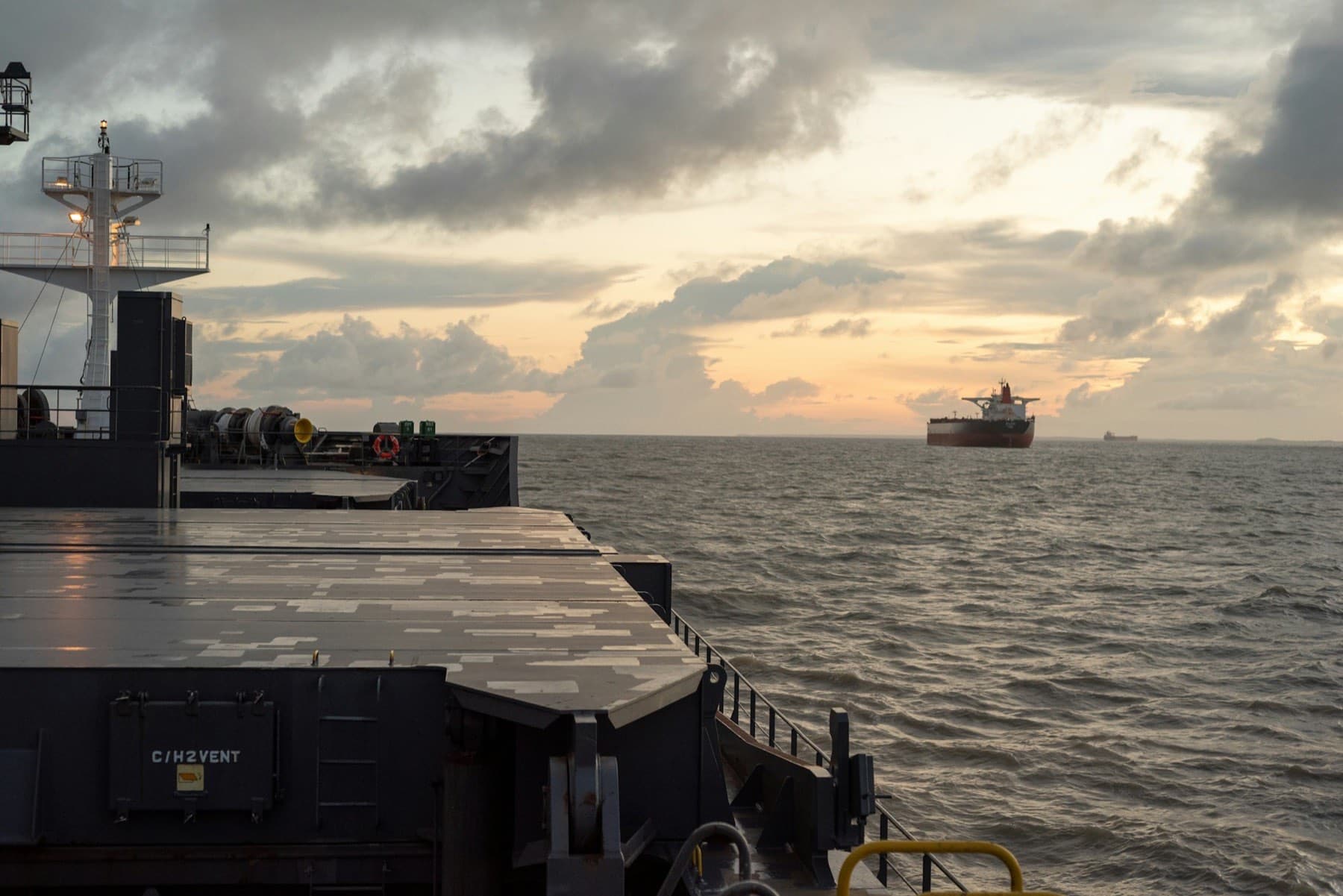
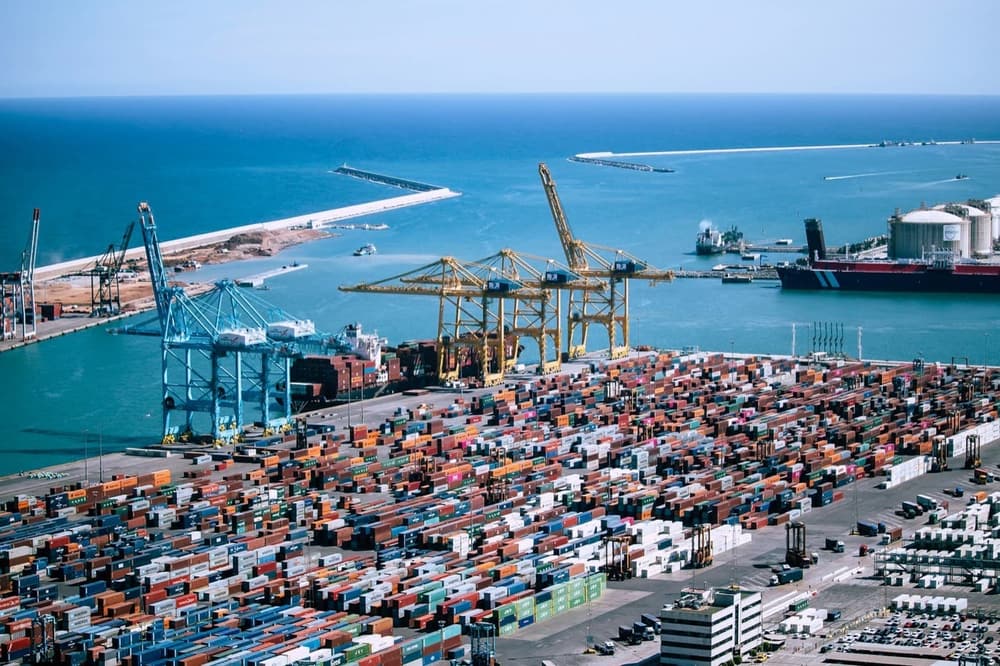
FOB, CFR and CIF were written for goods loaded on board a vessel. For containerised cargo handed to a carrier at a terminal, FCA and CPT are the terms that describe what actually happens, because the seller's delivery is complete when the container is handed over — not when it is lifted on board days later. Using FOB for a container shipment creates a gap between the term and the operation, and that gap is where insurance claims are contested.
- Bulk and breakbulk on a chartered vessel: FOB, CFR or CIF, with laycan, load and discharge rates and demurrage stated.
- Containerised liner cargo: FCA, CPT or DAP, with the delivery terminal named precisely.
- First-time lane or an inexperienced counterparty: whichever term places control with the party that has actually shipped that route before.
Name the place with enough precision to perform it
Every Incoterm is followed by a named place, and vagueness there undoes the term. “CIF Africa” is unperformable. “DAP Nairobi” raises the immediate question of which premises, and who unloads — because under DAP the goods are delivered ready for unloading, and the cost and risk of taking them off the vehicle sits with the buyer. A single line of extra precision in the contract prevents a week of argument later.
Match the term to the payment instrument
A letter of credit requiring presentation of an on-board ocean bill of lading is difficult to satisfy under a term where the seller's delivery obligation completes before loading. Conversely, a term that obliges the seller to deliver deep inland may leave them unable to present a transport document the bank will accept within the presentation period. The Incoterm, the required documents and the credit's terms have to be designed together, in one sitting, before the credit is opened.
The practical test is simple. For each obligation the term places on you — booking, loading, insuring, clearing, hauling, unloading — ask whether you have done it on that lane before. Where the answer is no, either buy the term that moves the obligation to the party who has, or price the learning curve honestly.